
Polynucleotide skin renewal
Rejuran
Smoother skin. A fresher appearance.
Rejuran is an injectable polynucleotide treatment designed to improve skin quality and soften fine lines. At Skin Line, Rejuran Healer is used for facial rejuvenation, while Rejuran I offers a targeted option for delicate skin around the eyes. Treatment aims for gradual, natural-looking improvement following an individual medical assessment.


What is Rejuran
Rejuran is a medical injectable treatment using a polynucleotide gel from PharmaResearch. It is used to improve selected facial lines and overall skin quality through a personalised course.
LEARN MORE HOW IT WORKS →
Polynucleotides, or PN, are purified chains of DNA building blocks derived from salmon. They are not proteins, stem cells or a treatment that changes your DNA. The injectable gel holds water and is used to support a more favourable environment within the skin. Research suggests improvements in selected measures of hydration, elasticity and texture, although the precise contribution of each biological mechanism in people remains under investigation.
Your doctor places small amounts into carefully selected areas using fine needles. This involves multiple injection points rather than resurfacing the skin with heat. Product choice and treatment technique depend on skin thickness, the area and your goals. Rejuran is different from a traditional volumising filler: its main purpose here is skin quality rather than reshaping facial contours.

Rejuran is designed to treat:
Fine Lines and Wrinkles — selected superficial facial and periocular lines.
Uneven Skin Texture — selected changes in smoothness and skin quality.
Skin Laxity — mild changes in elasticity, with realistic expectations; not a substitute for a surgical lift.
Assessment matters: active skin disease, deep folds, prominent bags and significant volume loss may require a different approach.
Treatment areas
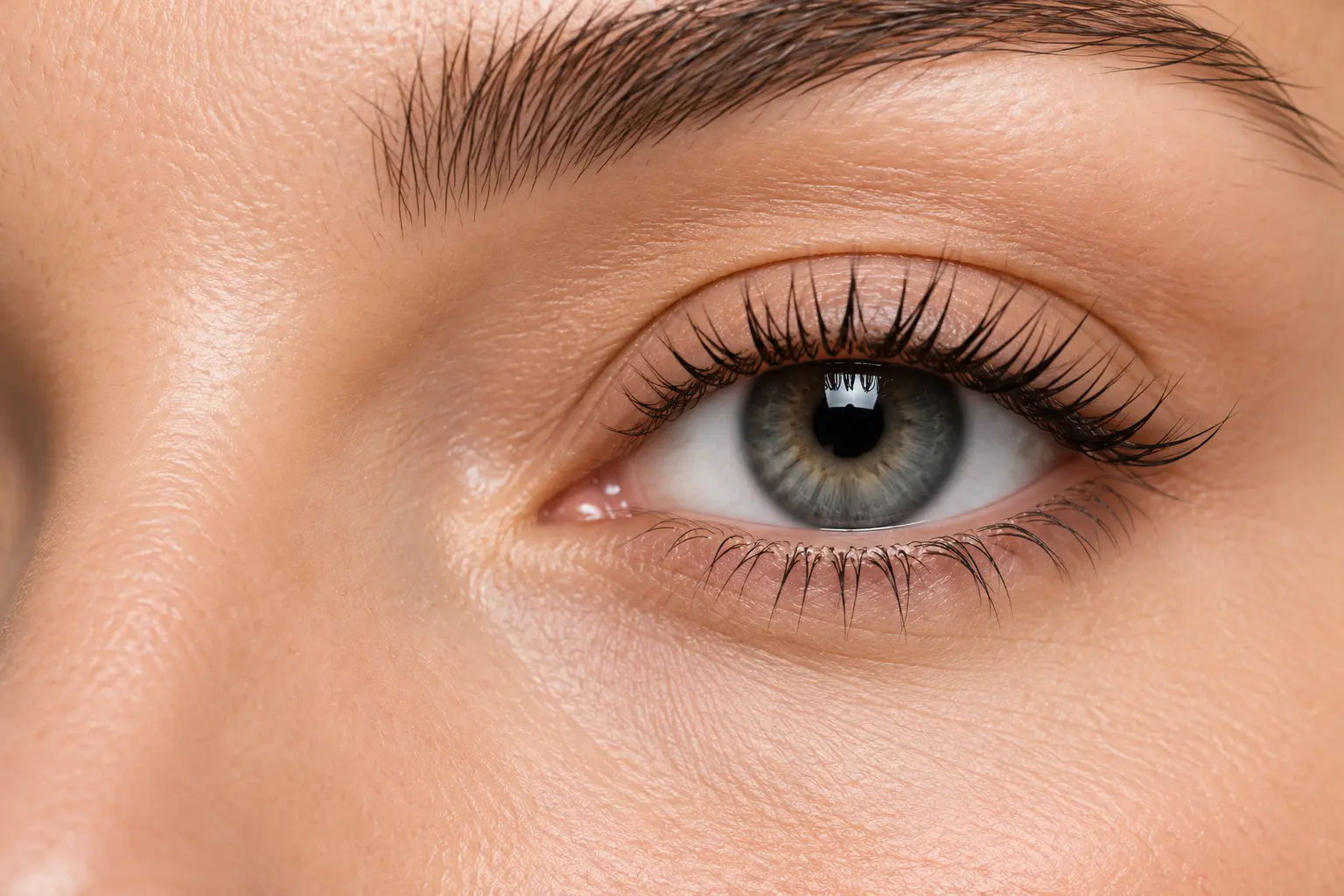
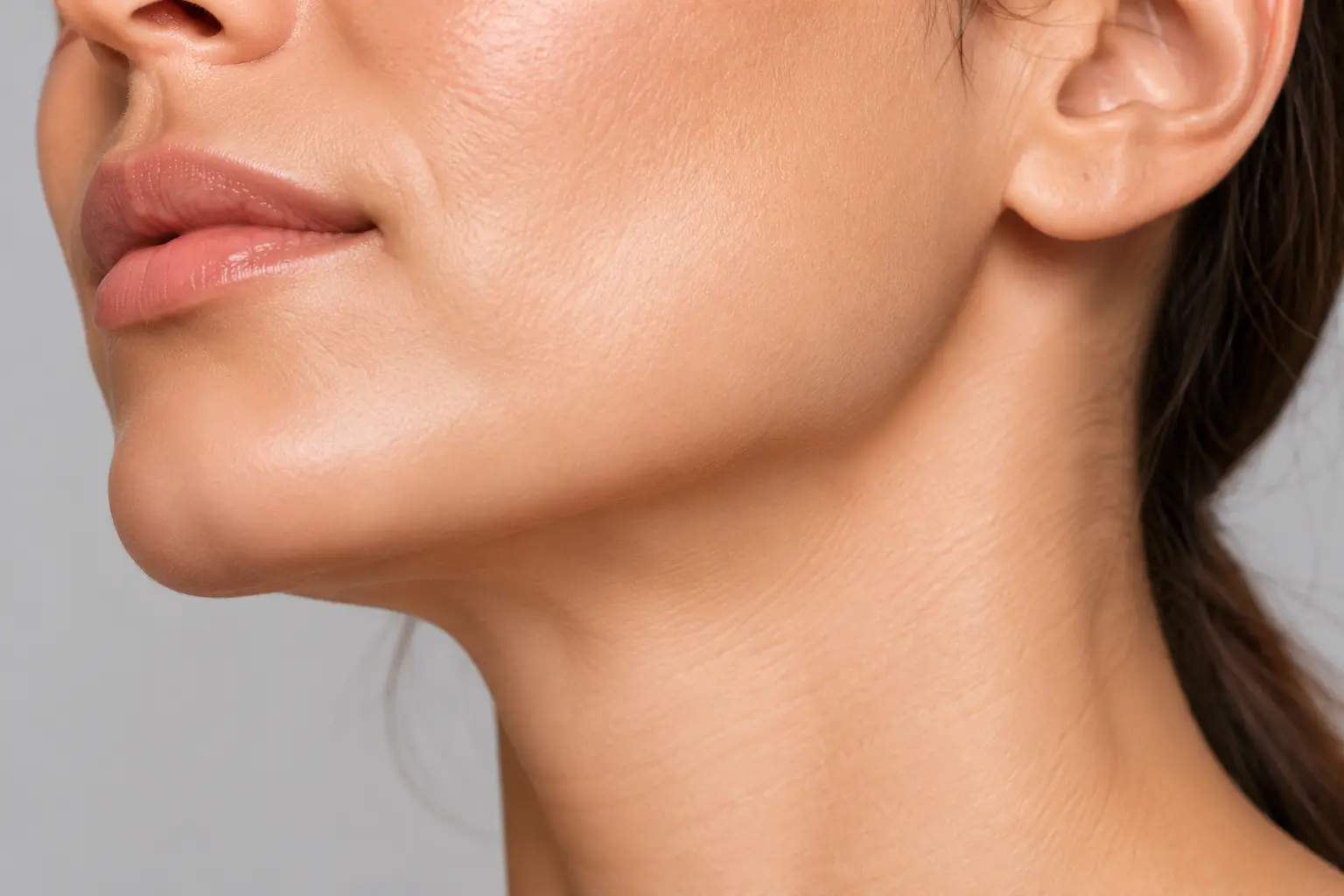
Rejuran Healer can be considered for the face, including areas with fine lines and uneven texture. Rejuran I is selected for delicate periocular skin, particularly fine lines beneath and beside the eyes. Your doctor assesses each area before treatment. Under-eye shadows may come from pigmentation, visible vessels, hollows or puffiness; improving skin quality cannot address all these causes. Rejuran does not remove protruding eye bags or correct a drooping eyelid.
Rejuran may form part of a broader plan that includes appropriate skincare and, in selected cases, treatments such as fractional laser resurfacing or radiofrequency microneedling. These address different aspects of skin ageing. Combining procedures is not automatically more effective or suitable for everyone. Your doctor should decide the order and intervals after considering irritation, recovery and previous treatments. Do not assume that separate procedures should be performed on the same day.
Rejuran in details
Treatment may suit adults seeking a gradual improvement in fine lines, texture and early changes in skin quality. It can be considered when you want a refreshed appearance without adding substantial facial volume. Suitability depends on your medical history, skin health and expectations, rather than age alone. At consultation, bring details of previous injectables and any persistent swelling or reactions. A doctor should first investigate unexplained rashes, changing lesions or sudden changes around the eyes.
Possible improvements include softer-looking fine lines, smoother texture, better hydration and a more supple appearance. The intention is a subtle change in skin quality, not an instant facelift. Results vary, and some people notice only a modest benefit. Clinical studies are still relatively small, with different products and treatment schedules, so a guaranteed percentage improvement or fixed duration would be misleading. Photographs taken in consistent lighting can help you and your doctor judge progress. Maintenance is considered only after reviewing your response and ongoing goals.
Do not judge the result immediately after treatment, when swelling can temporarily make lines look softer. Some people notice fresher-looking skin over the following few weeks, with further changes developing through the course. A review several weeks after the final session is more useful than a day-by-day promise. Your skin, the treated area and the agreed plan influence the timing.
Treatment is not suitable if you have a known allergy to the product or its ingredients. Tell your doctor about fish allergy, previous severe allergic reactions and reactions to injectable treatments. Pregnancy and breastfeeding are reasons to defer an elective treatment because safety data are insufficient. Active infection, cold sores, inflamed or broken skin in the intended area require assessment and usually postponement. Bleeding disorders, medicines that affect clotting, immune disorders, immunosuppressive treatment and a history of problematic scarring need individual medical review. This is not an exhaustive screening list.
Small raised bumps, redness, tenderness, swelling, pinpoint bleeding and bruising can follow injections. These usually settle, but swelling around the eyes may be more noticeable or last longer. Less common complications include infection, prolonged inflammation, persistent lumps and allergic reactions. An injection can also damage a blood vessel; serious vascular complications are rare but require prompt action. Seek urgent help for severe or increasing pain, unusually pale or dusky skin, or any change in vision. Contact the clinic for spreading redness, increasing warmth, discharge or worsening swelling rather than attempting to treat these yourself.
Arrange a consultation and explain what you want to improve, including any upcoming event. Provide a full list of medicines and supplements, allergies, medical conditions and recent dental, laser or injectable procedures. Do not stop prescribed anticoagulants or any other medicine without advice from the prescriber. Arrive with clean skin where possible, avoid irritating the area beforehand and tell the clinic if you develop a cold sore, infection or sunburn. Allow time in your diary for visible injection marks or bruising, particularly before photography or an important occasion.
Plan for a few days of visible bumps, redness or swelling. Bruising may last longer, and the under-eye area deserves extra allowance. Many people can manage ordinary activities soon afterwards, but there is no guaranteed “no downtime” appointment. Choose a date that leaves flexibility for your individual recovery.
The skin needs time to settle after the injections. Small bumps may flatten over the following days, while bruising can remain visible for a week or longer. The eye area can recover more slowly than the cheeks. Your doctor will explain what is expected for your particular treatment and how to contact the clinic. Do not massage or press the treated areas unless specifically instructed. Recovery is not a reliable measure of the eventual result: more swelling does not mean a better response.
Follow the written aftercare instructions supplied by your treating doctor. Keep the area clean, avoid touching injection sites and use gentle skincare once advised. Postpone exfoliating acids, retinoids and harsh scrubs until the skin has settled and your doctor agrees. Protect the skin from strong sunlight and use broad-spectrum SPF 50 when it can be applied comfortably to intact skin. Avoid saunas, intense heat, swimming and strenuous exercise during the initial recovery period as instructed. Ask before arranging another facial treatment, and attend any recommended follow-up appointment.
Is Rejuran painful?
The injections can sting. Sensitivity varies, especially around the eyes. Your doctor can discuss ways to improve comfort.
Is anaesthesia needed?
Topical anaesthetic may be used after assessment. General anaesthesia is not normally needed. Tell us about allergies to numbing products.
Can I have Rejuran in summer?
It may be possible with careful sun protection. Avoid treatment on sunburnt skin and plan around holidays, heat and swimming.
When can I wear make-up or skincare?
Wait until injection sites have closed and follow your doctor’s instructions, usually allowing at least 24 hours before make-up. Restart irritating skincare only when advised.
When can I return to work?
Often the following day if you feel comfortable, but visible bumps, swelling or bruising may remain. Allow extra time for public-facing work.
What age is Rejuran suitable for?
It is considered for adults after assessment. Skin quality, medical history and realistic goals matter more than a particular birthday.
Your next step
Discuss your concerns with the Skin Line team and find the right approach for you.