
UNDERSTAND YOUR SKIN
Skin Pigmentations
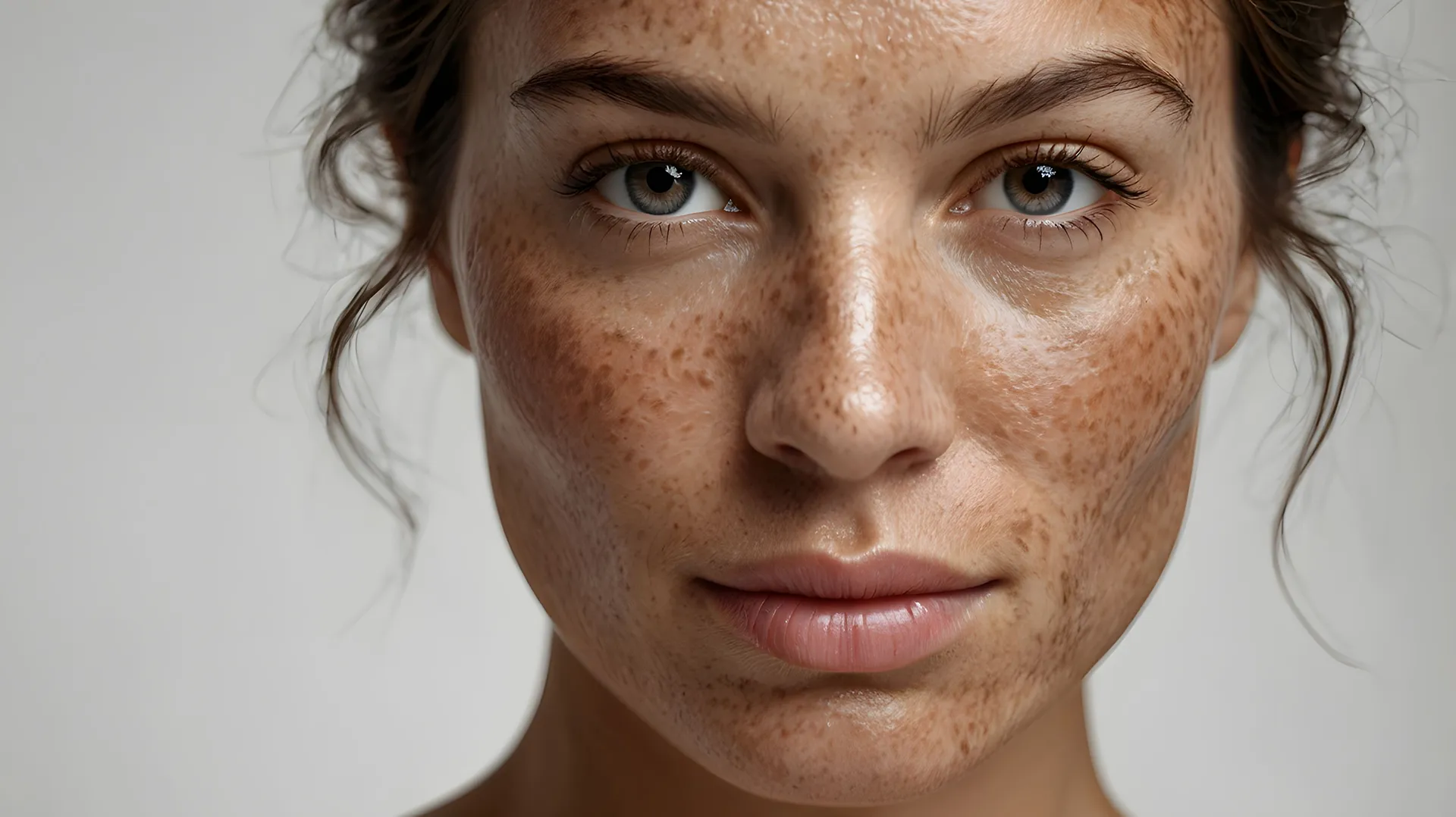
What are skin pigmentation changes?
Skin pigmentation changes can appear at any age and have many different causes. Patches may be lighter or darker than surrounding skin, reddish, brown or grey, and vary in size, shape and location. Many are harmless changes in colour. Others are linked to a skin disorder or another concern that needs medical assessment.
The appearance of spots on the skin is often associated with sun exposure and natural ageing, but the causes can be much more varied. Hormonal changes, inflammation, medication, infections, autoimmune conditions and genetic factors can also alter skin colour.
Therefore, the approach to pigmentation changes should not be the same for everyone. Before starting any skin-lightening cosmetics or treatments, it is important to determine the cause of the specific patch. Modern dermatology offers a range of options for diagnosing, managing and improving various types of skin patches.
Main signs and symptoms
In hyperpigmentation, the skin produces or accumulates more pigment, and the affected area appears darker. In hypopigmentation, the amount of melanin is reduced, making the area lighter. In depigmentation, the pigment may be almost completely absent.
The appearance of the patches alone is not sufficient to determine their cause. For example, a brown patch could be a solar lentigo, melasma, post-inflammatory hyperpigmentation or another type of pigmented lesion.
Professional diagnosis is therefore important. New, rapidly changing or unusual patches should be assessed before cosmetic treatment, to exclude potentially serious causes.
Types and patterns
Skin colour changes can be grouped according to their appearance and underlying cause.
Sunspots – also known as solar lentigines, these are flat brown patches that most commonly appear on areas exposed to prolonged sunlight – the face, neckline, arms and shoulders. They become more common with advancing age.
Melasma – characterised by brownish to grey-brown patches, most commonly on the face. They are usually symmetrical and may be linked to hormonal factors and exposure to light.
Post-inflammatory hyperpigmentation – occurs following inflammation or damage to the skin, for example after acne, eczema, sunburn or other trauma. It is more commonly seen in darker skin types.
Freckles – small pigmented spots that are linked to genetic factors and become more pronounced with sun exposure.
Hypopigmented and depigmented patches – these lighter areas may be associated with various conditions, including vitiligo, certain fungal infections or other dermatological problems.
Red patches – these are not necessarily pigmented. They may result from inflammation, dilated blood vessels, an allergic reaction or another skin condition.
This variety explains why each patch needs to be assessed according to its individual characteristics.
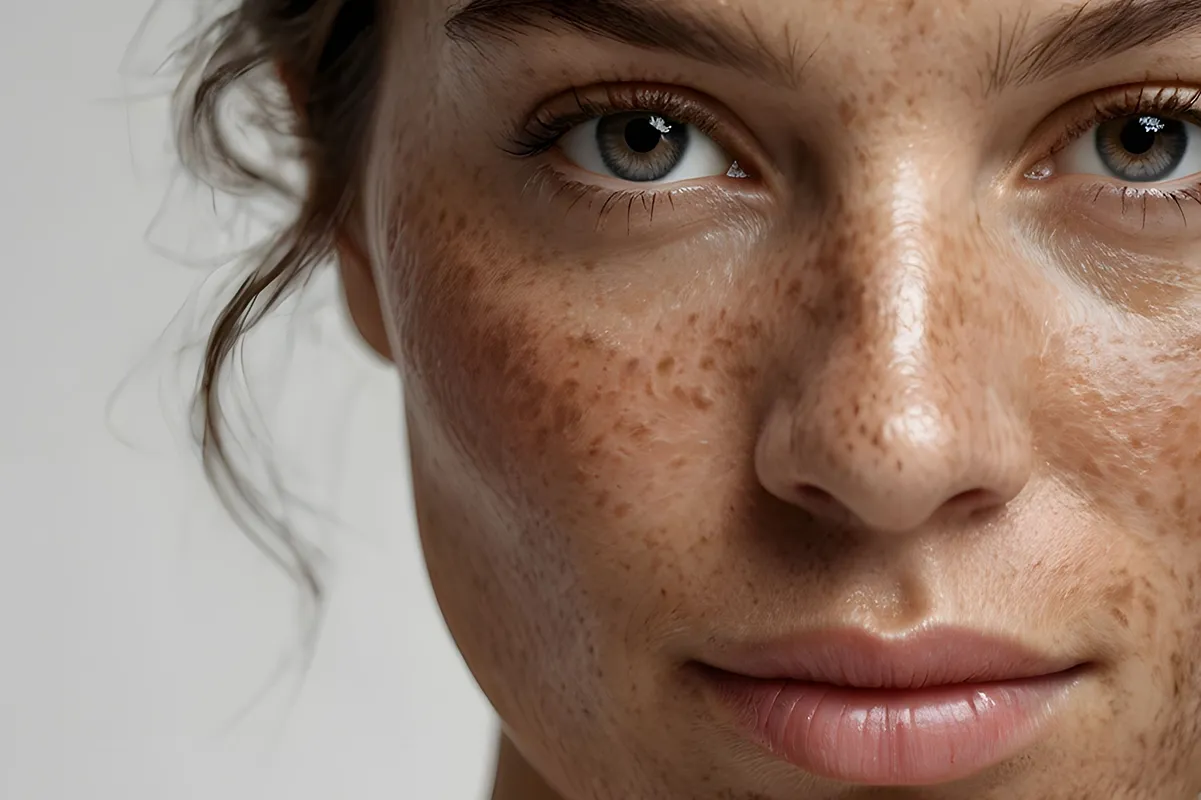
Why does it develop?
Skin patches are areas that differ in colour from the surrounding skin. They may result from an increased or decreased amount of melanin, dilated blood vessels, inflammation or other changes in the skin’s structures.
Causes and risk factors
There are numerous causes of skin spots. One of the most important factors is exposure to ultraviolet (UV) radiation. UV radiation stimulates the production of melanin and, with chronic exposure, can lead to pigment accumulation and the appearance of sunspots.
Other factors include:
- hormonal changes, including pregnancy;
- genetic predisposition;
- inflammatory skin disorders;
- acne and other inflammation;
- skin injuries and burns;
- certain medicines;
- some infections;
- natural skin ageing;
- autoimmune disease in some forms of pigment loss.
Some skin produces more melanin after inflammation. This explains the brown marks that may remain after spots, wounds or irritation.
Hormones can also contribute. Melasma often develops or worsens during pregnancy or with certain hormonal medicines.
Genetics influences the tendency to develop freckles, some types of moles and other pigment features.
Is it a medical condition?
The mere presence of skin patches does not necessarily indicate a medical condition. Many pigmentary changes are entirely benign and do not require treatment.
At the same time, some spots may be a sign of a dermatological condition. Others, although less common, may represent precancerous or malignant skin changes.
Particular attention should be paid to new or changing pigmented lesions. Melanoma, for example, may appear as a new spot or develop within an existing pigmented lesion.
It is therefore incorrect to classify every brown spot as ‘pigmentation’ and to treat it with skin-lightening products without prior assessment.
Everyday care
Regardless of the type of patch, sun protection is a key part of care. Ultraviolet radiation can exacerbate many types of hyperpigmentation and make existing patches more noticeable.
It is recommended to use a broad-spectrum sunscreen with a high SPF daily, particularly on exposed areas of the body. During prolonged sun exposure, the sunscreen should be reapplied.
The skin should be cleansed gently, without aggressive scrubbing. It is also important to avoid using strong exfoliants or products that cause a burning sensation or irritation on your own.
For those prone to pigmentation, suitable active ingredients such as niacinamide, vitamin C, azelaic acid or other agents may be incorporated, depending on individual needs.
Popular home remedies: benefits and limitations
Home care can help manage certain types of pigmentation, but it should not replace a dermatological diagnosis.
The most important measures are daily sun protection, gentle cleansing and adequate moisturising. In cases of confirmed hyperpigmentation, cosmetic products containing proven active ingredients, selected according to skin type, may be used.
It is not advisable to use popular home remedies involving lemon juice, vinegar, bicarbonate of soda or concentrated essential oils. These can irritate the skin and cause inflammation, which, in skin prone to pigmentation, may lead to even darker patches.
It is also important not to attempt to remove or ‘burn off’ an unknown pigmented lesion yourself. Before any procedure, the spot must be correctly identified. Skin spots have numerous possible causes and cannot be treated as a single problem. In many cases, they are entirely benign, but a change in appearance, rapid onset or atypical characteristics are reasons to consult a dermatologist. An accurate diagnosis allows the most appropriate treatment method to be selected and helps to avoid procedures that could worsen the condition.
When should you see a doctor?
A dermatological examination is recommended for any spot that looks unusual or changes over time.
Consult a specialist if:
- a patch grows rapidly;
- it changes shape or colour;
- it has irregular or poorly defined edges;
- it contains several colours;
- it bleeds or develops a sore;
- it persistently itches or hurts;
- a new, unusual patch appears;
- many pigment changes appear suddenly.
When assessing pigmented lesions, a dermatologist may use dermatoscopy, which allows for a detailed examination of the structures within the skin that are invisible to the naked eye.
If a lesion raises concerns, the doctor may recommend a biopsy or its complete removal for histological examination. This is particularly important when melanoma or another skin condition needs to be ruled out.
Modern treatment options
The treatment of skin spots depends entirely on their cause. This is particularly important because a method that is suitable for one type of pigmentation may be ineffective or even unsuitable for another.
In cases of hyperpigmentation, a dermatologist may recommend topical depigmenting agents that inhibit the formation or transfer of melanin. Ingredients used include azelaic acid, retinoids, vitamin C, kojic acid and other active substances. Hydroquinone is also an effective depigmenting agent, but its use must comply with medical indications and local regulations.
In certain cases, chemical peels may be used to accelerate the renewal of the skin’s surface layers.
Modern aesthetic dermatology also utilises various laser and light-based technologies for the treatment of certain pigmented lesions. Lasers are not a one-size-fits-all solution for all types of spots, and the incorrect choice of technology or settings may cause burns, inflammation or further pigmentation.
For some sun-induced lesions, procedures such as laser treatment, IPL or other methods may be suitable, but only following an accurate diagnosis.
Read the clinical guidance on this concern. Treatment suitability, risks and availability should be discussed during consultation. Find your Skin Line clinic for assessment and personalised advice.
Do not use pigment-removing treatments on an undiagnosed changing lesion. Retinoids are not suitable during pregnancy or when trying to conceive; discuss alternatives with your clinician.