
UNDERSTAND YOUR SKIN
Localised Fat Deposits
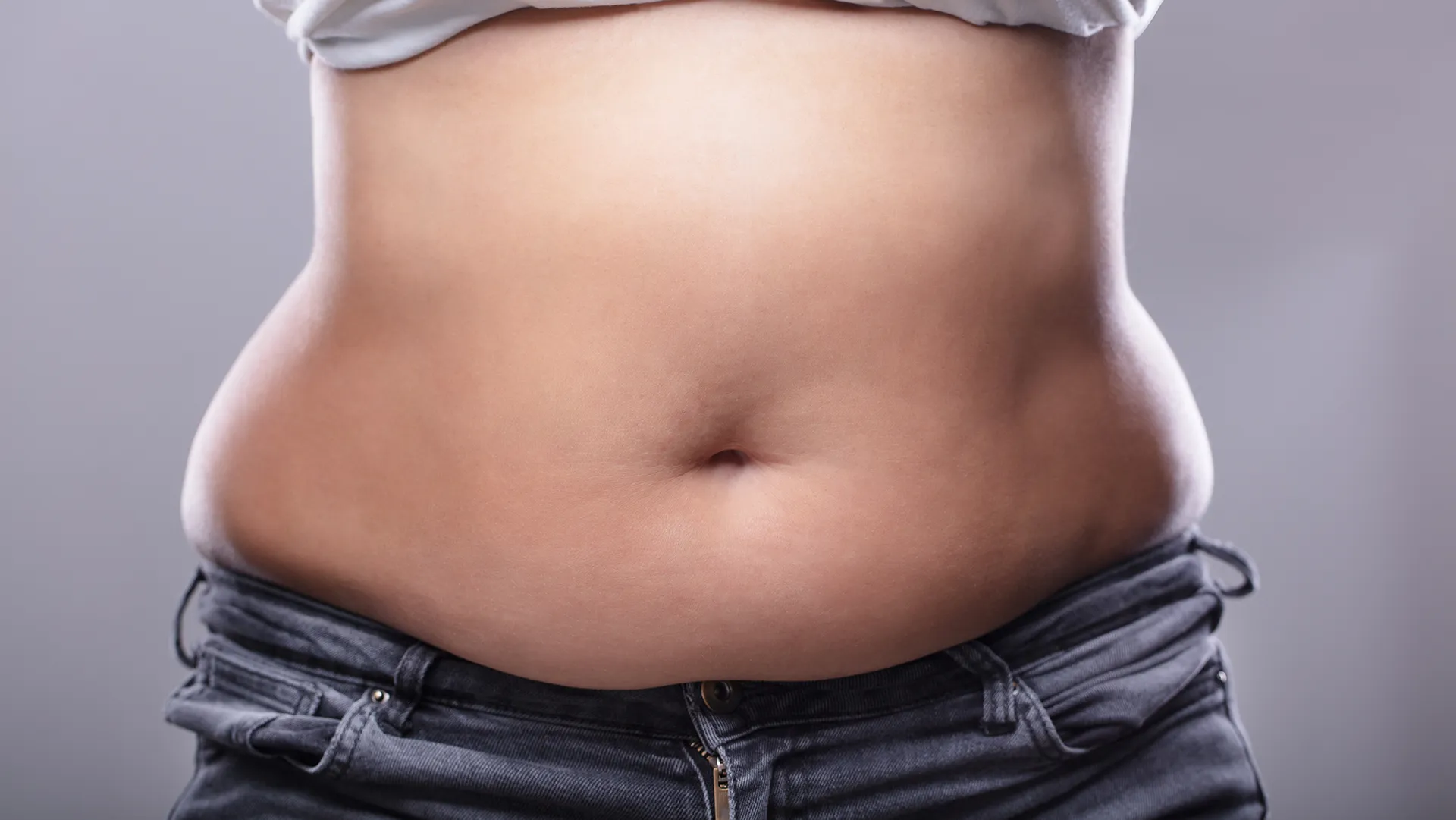
What are localised fat deposits?
Adipose tissue is a natural and essential part of the human body. It is not simply ‘excess fat’, as is often perceived in an aesthetic context, but active biological tissue that performs important functions. It stores energy, helps regulate body temperature, protects certain organs from mechanical impact and produces biologically active substances that influence metabolism.
The problem arises when the amount of adipose tissue becomes excessive or when it accumulates disproportionately in certain areas of the body. This can alter the body’s silhouette and contours and may be associated with an increased risk of various metabolic and cardiovascular diseases.
It is important to distinguish between total body fat and localised fat deposits. A person may have a normal body weight but have more pronounced fat deposits in a specific area. At the same time, reducing adipose tissue is not merely an aesthetic issue – the approach must take into account the individual’s state of health, dietary habits, physical activity and the specific characteristics of their body.
Main signs and symptoms
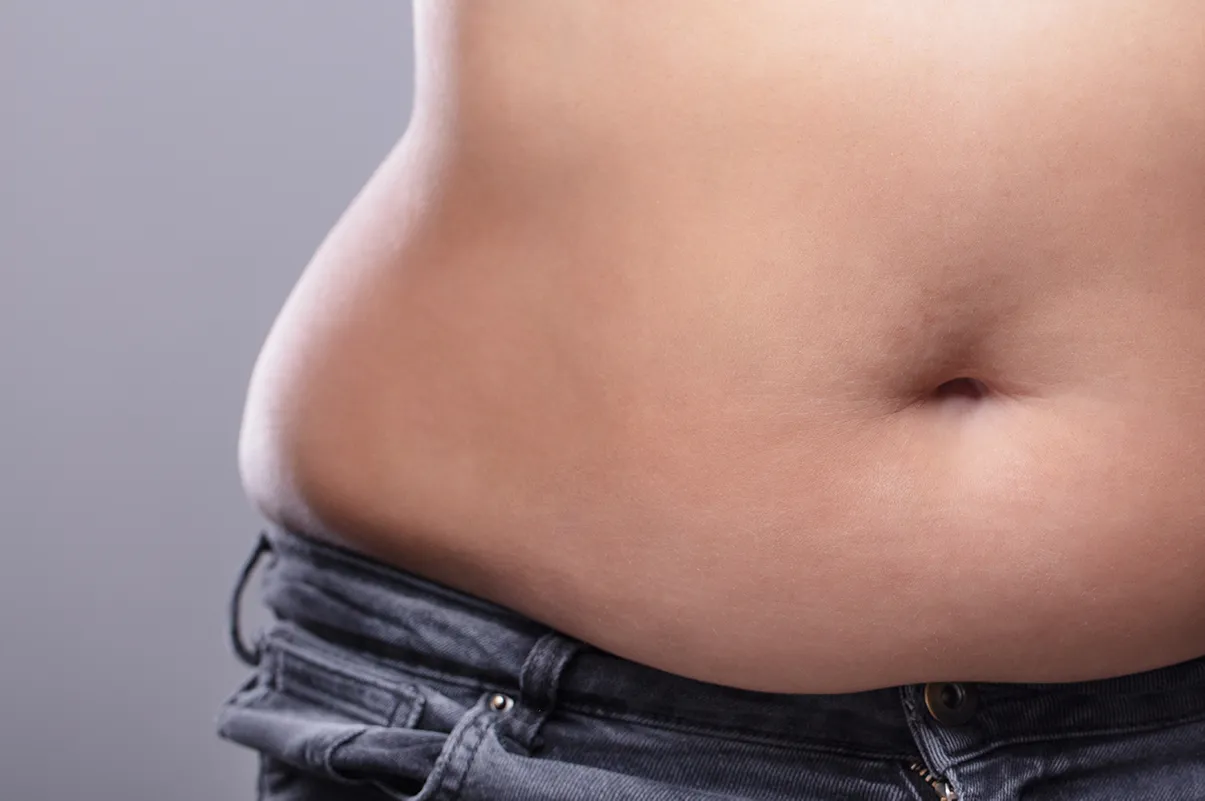
Localised fat deposits can appear as persistent fullness around the abdomen, flanks, thighs, hips or upper arms. They may be present at a stable weight and do not necessarily indicate poor health. A new, painful, firm or growing lump should be examined rather than assumed to be an ordinary fat deposit.
Types of fat and where it is stored
Several types of adipose tissue are distinguished in the human body, each with different functions.
White adipose tissue – the main type of adipose tissue in adults. It stores energy and has an important endocrine function, secreting substances called adipokines, which are involved in the regulation of appetite, inflammation and metabolism.
Brown adipose tissue – contains more mitochondria and specialises in heat production. In adults, its quantity is relatively small, but it continues to play a role in thermoregulation and energy metabolism.
Beige adipose tissue – consists of fat cells with properties that, under certain conditions, can resemble those of brown adipose tissue. This type of adipose tissue is the subject of scientific research due to its potential role in energy balance.
In terms of distribution, a distinction is also made between subcutaneous and visceral adipose tissue. It is precisely the location of these fat deposits that is significant not only for physical appearance but also for metabolic health.
Why does it develop?
Adipose tissue is a type of connective tissue, consisting mainly of adipocytes – fat cells that store energy in the form of triglycerides. It is distributed throughout various parts of the body and serves different functions depending on its location.
Causes and risk factors
Adipose tissue accumulation occurs when the body stores more energy over the long term than it expends. However, this process is far more complex than the simple rule of ‘eating more than we burn’.
Genetic factors can influence appetite, energy expenditure and the way the body distributes fat stores. Hormonal changes can also alter body composition and the areas where fat accumulates.
Factors that may contribute include:
- a prolonged calorie surplus;
- low physical activity;
- insufficient sleep;
- chronic stress;
- certain medications;
- certain endocrine disorders;
- genetic predisposition;
- age-related changes.
In women, the distribution of adipose tissue may change around the time of the menopause, when the hormonal profile shifts. In men, a tendency towards an increase in abdominal adipose tissue may also be observed as they age.
It is important to note that we cannot reliably choose from which specific area the body will burn fat through exercise. So-called ‘spot reduction’ is not a physiologically realistic approach. When losing weight, the body mobilises fat stores according to its individual biology.
Is it a medical condition?
Adipose tissue itself is not a disease. It is a normal part of the body and is necessary for its functioning.
A problem may arise when there is an excessive amount of body fat. Obesity is defined as a chronic condition and is associated with an increased risk of a number of health complications. These include high blood pressure, type 2 diabetes, abnormal lipid profiles, sleep apnoea, fatty liver disease and cardiovascular diseases.
There are also cases of localised fat deposits that are not necessarily linked to being overweight. These may be part of a person’s normal anatomy or may persist even after overall weight loss.
Therefore, assessment should not be based solely on weight. Waist circumference, body composition and overall health are also important factors.
Everyday care
Maintaining a healthy body composition requires consistency, not short-term restrictions. The diet should provide sufficient protein, fibre, vitamins and minerals, whilst taking into account individual energy requirements.
Regular physical activity also plays an important role. A combination of aerobic exercise and strength training can help control body weight and preserve muscle mass during weight loss.
Sleep is often underestimated. Chronic sleep deprivation can affect the mechanisms that regulate hunger, satiety and energy balance.
If the aim is to reduce body fat, it is wiser to adopt a sustainable approach rather than following crash diets with a large calorie deficit. Significant fluctuations in weight can be difficult to maintain and may have an adverse effect on body composition.
Popular home remedies: benefits and limitations
No cream, oil or home massage can reliably destroy subcutaneous fat cells. Cosmetic products can improve the condition and hydration of the skin, but they cannot replace methods for actually reducing fat tissue.
Home care should focus on factors that can be controlled – diet, exercise, sleep and overall lifestyle. Where there is a need to reduce body fat, a personalised dietary plan drawn up by a qualified specialist may be more beneficial than restrictive diets.
It is important to approach products advertised as ‘fat-melting’ or ‘fat-cell-destroying’ simply by applying them to the skin with a critical eye. Such claims often go beyond the actually proven effects of cosmetic ingredients.
When should you see a doctor?
Consultation with a doctor is recommended when the increase in adipose tissue is significant, occurs rapidly or is accompanied by other changes in the body.
Be aware of:
- rapid and unexplained weight gain;
- significant changes in appetite;
- persistent tiredness;
- menstrual cycle irregularities;
- other signs of hormonal imbalance;
- swelling or fluid retention;
- a sudden change in the distribution of body fat;
- painful or unusual localised fatty deposits.
Not every soft lump under the skin is simply fatty tissue. For example, a lipoma is a benign tumour of fatty tissue and is different in nature from a normal localised build-up of subcutaneous fat.
A medical examination is necessary in the case of painful, firm, rapidly growing or fixed lumps.
Modern treatment options
When the problem is primarily localised fat deposits, modern aesthetic medicine offers various options. These are not a substitute for a healthy diet and exercise, but are targeted at specific areas that may prove more resistant to general weight loss.
One non-surgical approach is cryolipolysis, in which fat cells are subjected to controlled cooling. The procedure is designed for localised subcutaneous fat deposits and is not a treatment for obesity.
Another approach involves various radiofrequency technologies, which use controlled energy to affect the tissues. Depending on the specific technology and parameters, the procedure may have an effect on adipose tissue whilst simultaneously promoting skin tightening.
There are also injectable methods for localised fat deposits, which utilise substances with lipolytic action. These have specific indications and must be administered by a qualified healthcare professional.
In cases of more significant fat deposits, liposuction may be considered. This is a surgical procedure in which subcutaneous fat tissue is removed from selected areas using a cannula. It is not a method for general weight loss and requires careful assessment of the indications and risks.
The choice of procedure must be tailored to the individual. Factors such as the amount of fat tissue, the quality of the skin, the anatomy of the area and the expected result are all important.
Read the clinical guidance on this concern. Treatment suitability, risks and availability should be discussed during consultation. Find your Skin Line clinic for assessment and personalised advice.
Body contouring does not treat obesity or remove visceral fat. Risks vary by device and can include burns, persistent numbness, contour irregularity and, with fat freezing, paradoxical fat enlargement. Injectable products require assessment of the specific medicine, approved indication and anatomical site.