
Precision skin renewal
Fractional Laser Peel
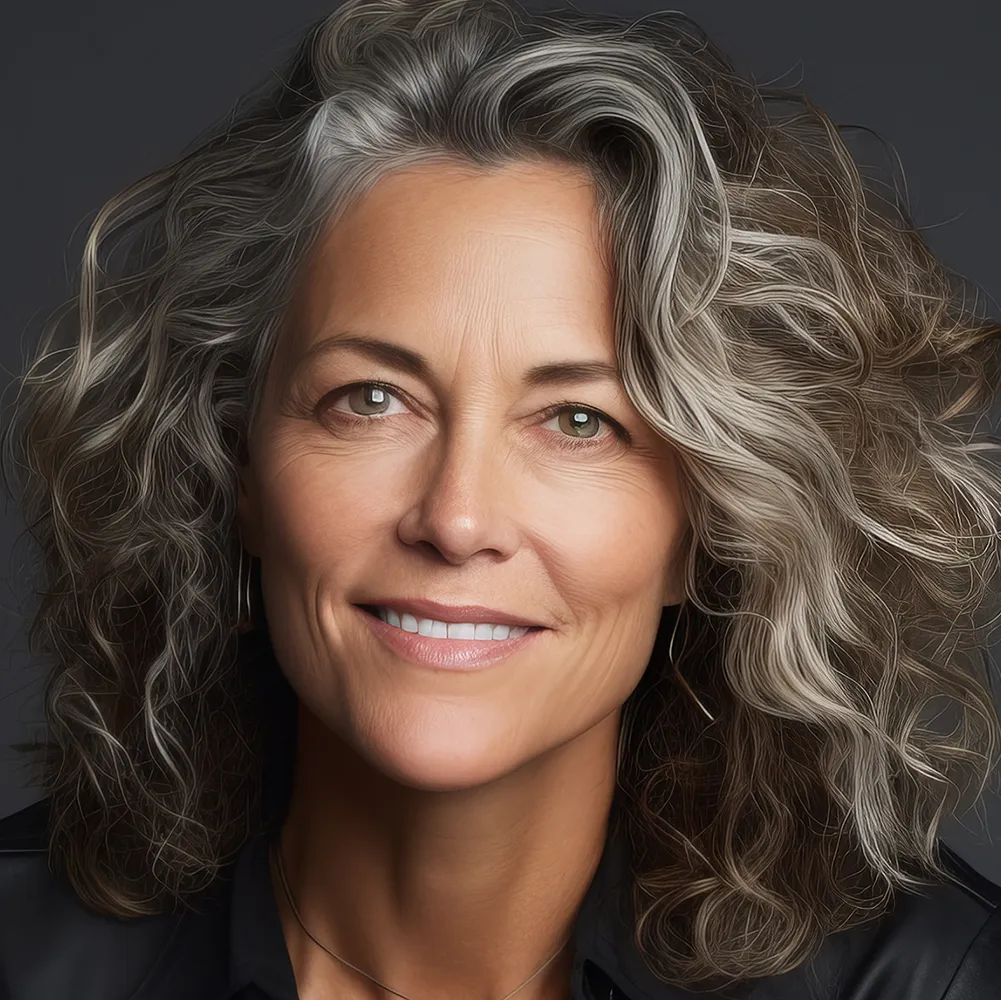
Smoother texture. More even skin.
A fractional laser peel renews small sections of skin to soften fine lines, improve uneven texture and reduce the visibility of selected scars and sun damage. At Skin Line, treatment is planned around your skin, your goals and the recovery time you can allow. Improvement develops as the skin heals and rebuilds collagen.


What is Fractional Laser Peel
Fractional laser peeling is a medical resurfacing treatment. Skin Line describes both CO2 and Er:YAG laser options. These ablative lasers remove microscopic areas of skin, rather than treating the entire surface at once. This article covers that approach; non-ablative treatments such as ResurFX work differently and have a different recovery profile.
LEARN MORE HOW IT WORKS →
The laser creates a pattern of tiny treatment channels, leaving skin between them untouched. These surrounding areas support healing while the treated tissue renews. Heat also stimulates collagen remodelling: the gradual rebuilding of the fibres that help skin feel firm. Your dermatologist adjusts the depth and spacing of treatment to the concern and area. More intensive settings can mean more downtime and greater risk, so the strongest peel is not automatically the best choice.
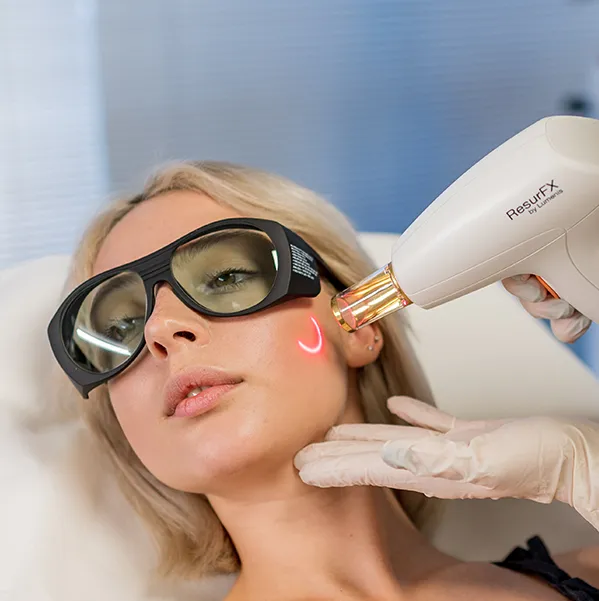
Fractional Laser Peel is designed to treat:
- Fine Lines and Wrinkles: selected superficial lines.
- Uneven Skin Texture: roughness and surface irregularities.
- Acne Scars: selected depressed scars after active acne is controlled.
- Sun Damage: selected changes in texture and pigmentation, after diagnosis.

Treatment areas
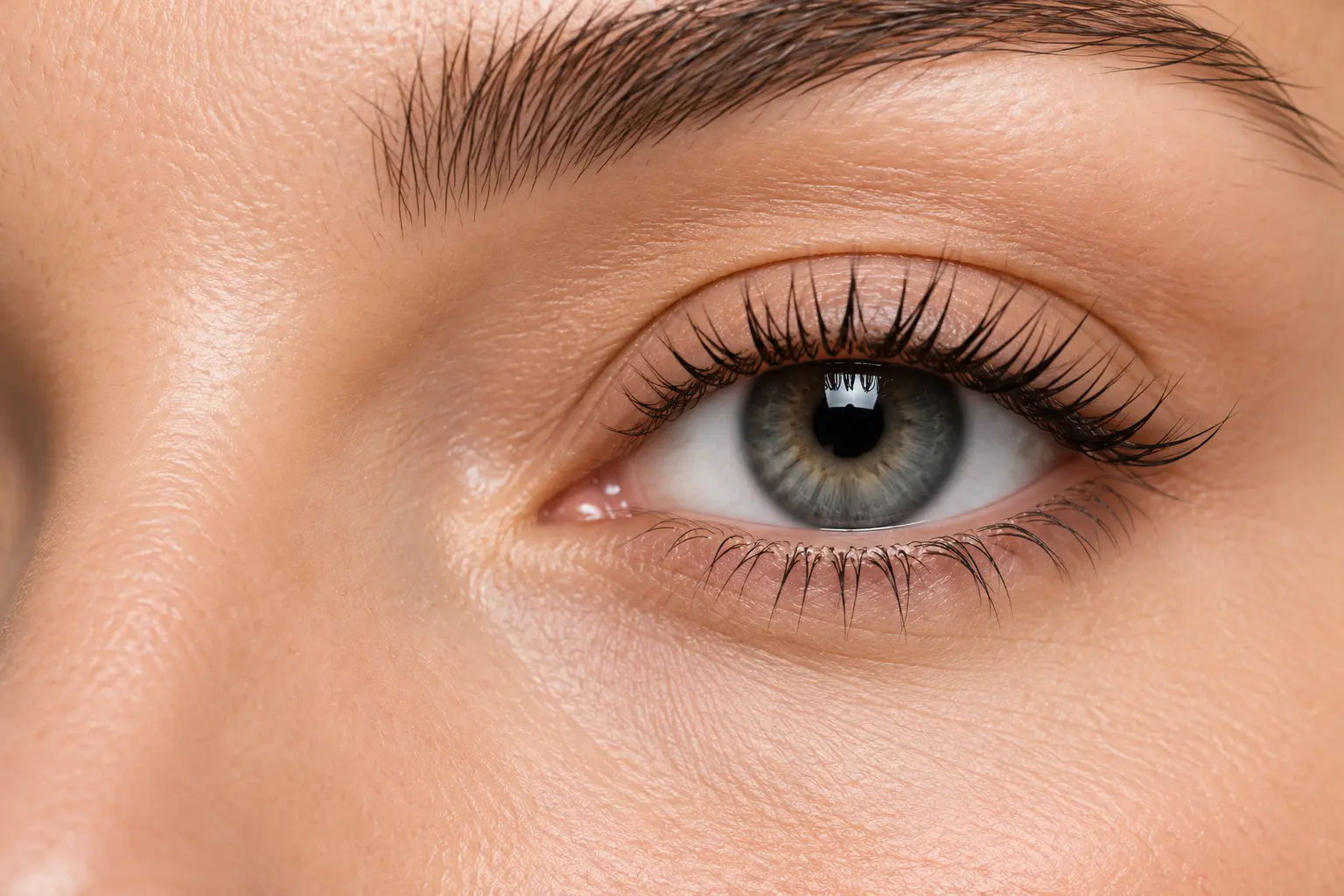
The face is a common treatment area, including selected concerns around the mouth and eyes. The neck, décolletage and backs of the hands may also be considered. These areas heal differently and require their own settings; a facial protocol should not simply be repeated elsewhere. Treatment near the eyes needs appropriate protection and specialist assessment. Tell your dermatologist exactly which areas you want to improve.

Combining treatments
A personalised plan may combine resurfacing with other approaches when one treatment cannot address every concern. Some depressed acne scars need a separate procedure to release the tissue beneath them; other concerns may benefit from a different laser or an injectable treatment. Any combination must be planned by the clinician, with suitable intervals. Do not arrange peels, microneedling or injections around your appointment without discussing them first.
Fractional Laser Peel in details
Treatment may suit adults with fine lines, uneven texture, sun damage or selected acne scars who can follow aftercare and allow recovery time. The consultation considers skin tone, healing history and previous treatments. Darker skin can be more prone to pigment changes and needs particularly careful assessment. For acne scars, controlling active breakouts is usually the first step. Your priorities and expectations also help determine whether a laser peel is worthwhile.
You may notice smoother skin, softer fine lines, a more even-looking complexion and less obvious selected scars. The aim is improvement, not flawless skin or complete scar removal. Deep folds and marked sagging may need another approach. Results vary with the original concern, treatment intensity and healing response. Consistent photographs and a follow-up appointment help assess the change without relying on early swelling or different lighting.
A fresher surface may become apparent once peeling and initial redness settle. Improvements in texture and firmness develop more gradually as collagen remodels over the following months. Scar treatment can take time to show a clear benefit. Assess the result at the review date recommended by your dermatologist; the first few days are a healing phase, not a reliable preview of the final outcome.
Treatment may be postponed or unsuitable with active infection, a cold-sore outbreak, inflamed skin, recent tanning or sunburn. Report poor wound healing, keloid scarring, immune suppression, previous radiotherapy and current or recent isotretinoin use. Pregnancy, breastfeeding, ongoing illness and medicines also need discussion before an elective procedure. A changing mole or unexplained pigmented patch must be assessed before cosmetic treatment. This list supports the consultation and does not replace individual screening.
Expected reactions include redness, swelling, warmth, tenderness, itching, dryness and crusting. Less common complications include infection, cold-sore reactivation, persistent redness, acne-like spots, darker or lighter pigmentation and scarring. Pigment changes may last, particularly in more susceptible skin. The depth of treatment affects risk. Contact the clinic promptly if pain is worsening, redness spreads, blisters or discharge appear, or you develop a fever.
Avoid tanning and arrive without sunburn. Bring a list of medicines, supplements and recent procedures, and mention any history of cold sores. Ask when to pause retinoids, exfoliating acids or other irritating products; do not stop prescribed medication independently. Your clinician may prescribe antiviral protection when appropriate. Discuss smoking, your work schedule and upcoming travel, and arrange practical help if sedation or extensive treatment is planned.
Allow for visible redness, peeling and sensitivity. A lighter treatment may involve several days of downtime; a deeper ablative peel can require around one to two weeks or longer. Residual pinkness may outlast surface healing. The exact estimate should come from your dermatologist after selecting the laser and settings. Avoid booking immediately before an important event or a sunny holiday.
Early warmth and swelling usually give way to dryness, flaking or fine crusts as the surface repairs. Let loose skin shed naturally: picking and scrubbing can interfere with healing. Skin that looks closed may still be sensitive. Keep the planned review appointment so the clinician can check progress, decide when normal skincare can resume and assess whether further treatment is appropriate.
Follow your written cleansing and moisturising plan, including any prescribed ointment or dressing. Use clean hands and avoid picking, rubbing and fragranced or exfoliating products. Protect the area from direct sun; start the recommended broad-spectrum SPF 50+ when your clinician says the surface is ready. Continue sun protection after healing. Avoid swimming, saunas and strenuous exercise until cleared, and restart active skincare gradually under guidance.
Frequently asked questions
Is a fractional laser peel painful?
You may feel heat, stinging or a prickling sensation. Discomfort varies with the area and intensity. Tell your practitioner if you are uncomfortable so they can assess your pain relief.
Is anaesthesia needed?
A numbing cream is often used. More extensive treatment may need another form of anaesthesia, selected by the clinician. Do not apply anaesthetic cream yourself unless specifically instructed.
Can I have treatment in summer?
Summer is not an absolute rule-out, but tanning and strong sun exposure make treatment less suitable. Choose a time when you can protect healing skin and follow the full aftercare plan.
When can I wear make-up or use cosmetics?
Wait until the surface has healed and your clinician agrees. Do not cover raw, weeping or crusted skin with make-up. Moisturiser, sunscreen and active skincare have different restart times.
When can I return to work?
Plan around the expected downtime and your job. Working from home differs from work involving heat, dust, sun or physical effort. Visible redness may remain after you feel comfortable returning.
What age is this treatment suitable for?
Suitability depends on a treatable concern and your health, rather than a set birthday. An adult with acne scars and someone with sun-related lines may need very different treatment plans.
Further reading: Skin Line laser peeling, Fotona skin resurfacing, AAD laser scar treatment, ASDS laser resurfacing and Mayo Clinic recovery guidance.
Your next step
Discuss your concerns with the Skin Line team and find the right approach for you.